
Owners · Landlords · Property Managers
Odor & Air Treatment
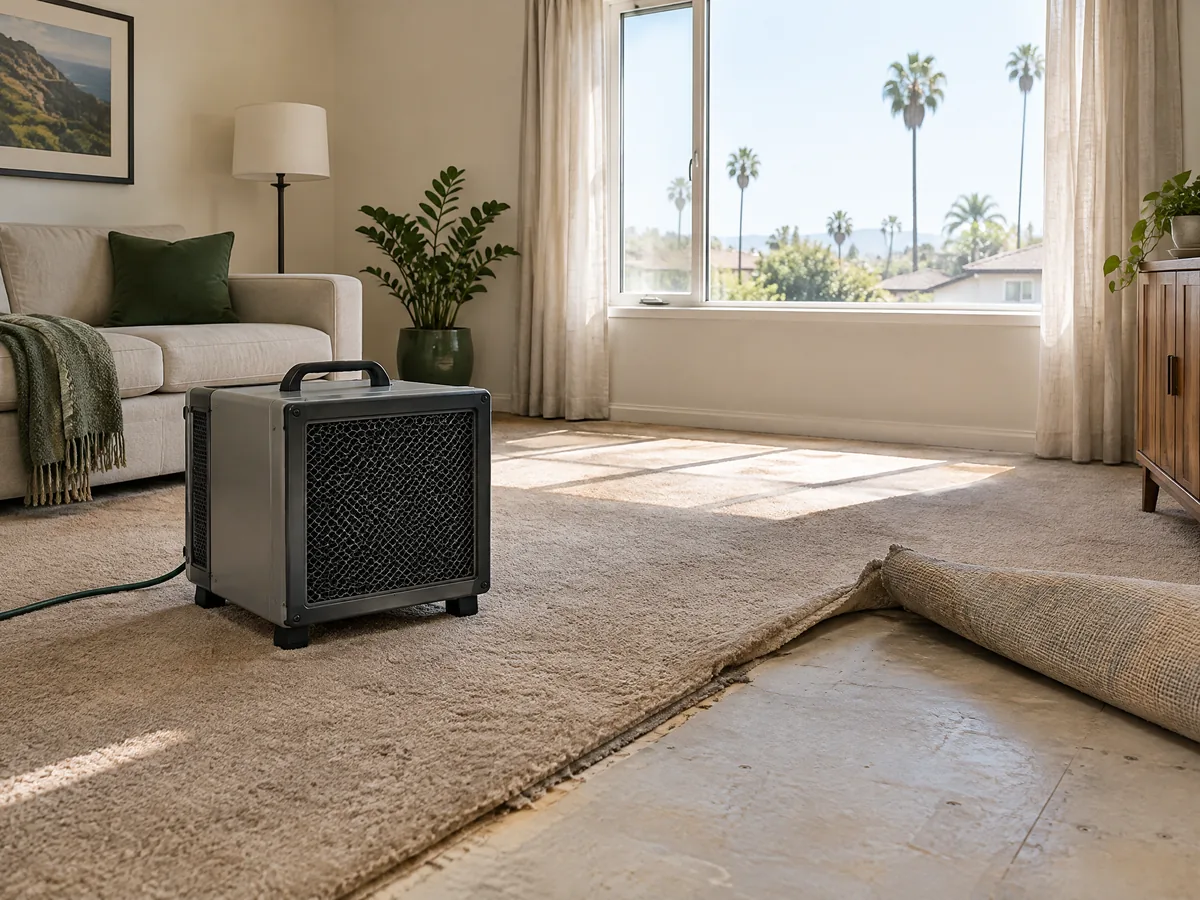
We address the source—not just the smell.A lasting odor plan starts with identifying and addressing observable source material. Air treatment alone cannot correct every condition, especially when odor has reached porous material, hidden cavities or building systems. Frontline reviews the affected areas and explains which source-removal, cleaning and air-treatment steps are included in the proposed scope.
Your first conversation
When you call
Tell us about the property, the help you need and what you can safely observe. We will confirm access, the appropriate service and the next step with you.
Smoke, pet, decomposition, sewage, mildew or other difficult odors remain in a residence or managed property.
Porous contents, flooring, wall material or stored items may be contributing to the odor source.
A cleanout or contamination project also needs odor-related steps defined in the work plan.
The property representative needs to understand what can be addressed through cleaning and what may require repair or replacement.
What to expect
Useful boundaries.
Fewer surprises.
The proposed plan focuses on observable source conditions rather than masking odor with fragrance.
Air treatment is used only when it is appropriate and expressly included in the approved scope.
No odor-elimination guarantee is implied; the plan describes the specific accessible materials and steps being addressed.
Questions about Odor & Air Treatment
Know the next step
before you commit.
Can air treatment fix an odor without removing the source?
Not always. A durable plan usually begins with identifying and addressing accessible source material. Porous or hidden materials may require removal, repair or a separate service.
Do you test for mold or air quality?
Not unless a separate written service expressly includes testing. Cleanup or odor-treatment records are not laboratory, environmental, mold, air-quality or health-clearance reports.
Can you guarantee the odor will be gone?
No universal result can be promised because materials, hidden conditions and prior damage vary. The written scope explains the accessible sources and treatment steps Frontline proposes to address.
Tell us what you can safely observe